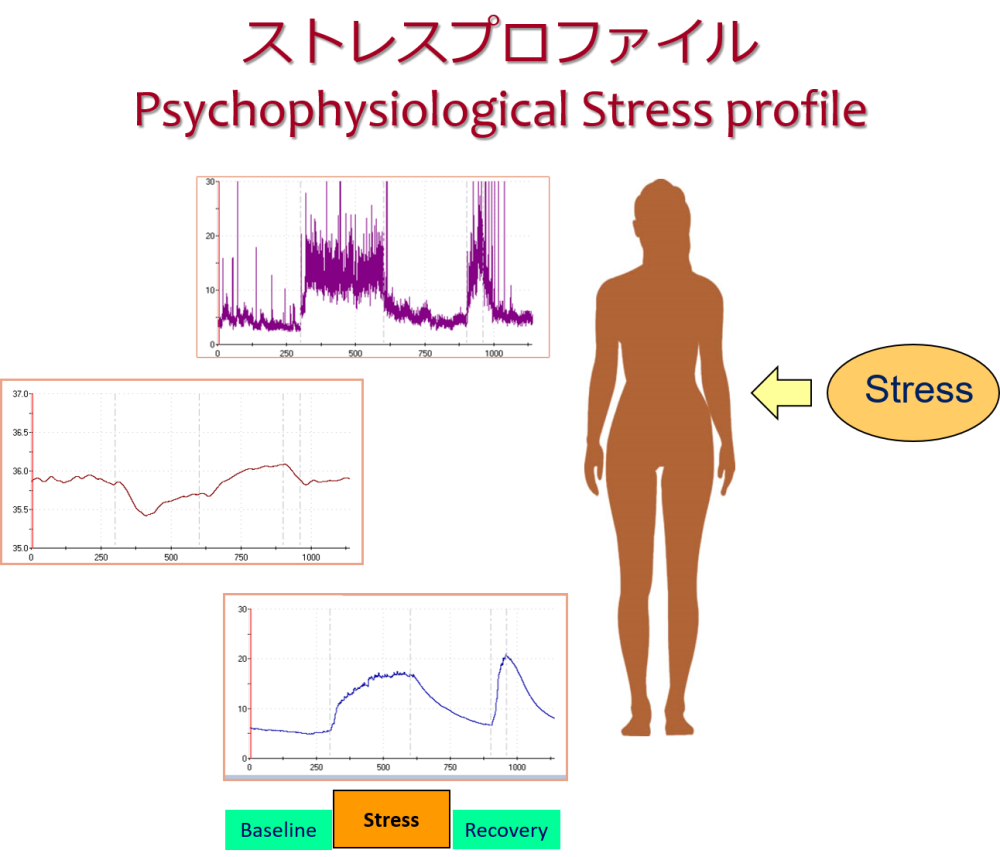
Describes the autonomic nervous system, a relatively easy to understand and psychosomatic route connecting “mind and body” from the perspective of psychosomatic medicine.
Routes of Psychosomatic Correlations
- Nervous system: pathway through the autonomic nervous system and other nervous systems.
- Endocrine system: a hormone-mediated communication system in the body.
- Immune system: One of the homeostatic mechanisms of the body that eliminates foreign substances that have entered the body.
- Others: neuropeptides, cytokine networks, gut bacteria, etc.
What is the Autonomic Nervous System?
“Autonomic” means that the nervous system is not something that can be consciously activated, such as the motor nervous system, but is “automatically” regulated according to the condition.
There are two types of autonomic nerves systems: sympathetic and parasympathetic.
- The sympathetic nervous system is the system that directs the body towards activity, tension, aggression, etc. and is more active when you feel like you have a sweaty hand.
- The parasympathetic nervous system is the system that directs the body toward recovery in preparation for the next activity, which is to rest the body and improve the function of the internal organs.
Heart Rate and Autonomic Function
For example, one of the things regulated by the autonomic nervous system is the speed of the heartbeat. Normally, the heart rate is about 60-80 beats per minute, but it increases to about 100-150 beats per minute during exercise. When we get nervous in public, we say things like “I feel nervous,” and it is normal for our heart rate to be higher than when we are at rest.
At such times, the “sympathetic” tone is higher than the “parasympathetic” tone. During a good night’s sleep, conversely, the “parasympathetic” nervous system will be dominant and the heart rate will be at its slowest.
When you exercise, your “automatic” heart rate increases. It’s not increased consciously, as in “I’m going to exercise now, so I’m going to increase my heart rate”. In this way, the autonomic nervous system automatically works to bring the body into a more appropriate state without our conscious effort.
Disturbance of the Autonomic Nervous System
It is essentially a system that maintains homeostasis and keeps the body in proper condition, but when its function is disturbed, it can be involved in pathological conditions.
In a panic attack, for example, this “disturbance of the autonomic nervous system” occurs suddenly and without a trigger, and is linked to anxiety, leading to a negative spiral.
Also, in chronic pain, sympathetic tone becomes stronger, resulting in muscle contraction and decreased peripheral blood circulation, which amplifies and prolongs the pain. This leads to a vicious cycle of unnecessary sympathetic tone.
Since the autonomic nervous system cannot be consciously adjusted, as mentioned above, it is difficult to undo such a vicious cycle.
Autonomic Nervous System Regulation
There are various ways to regulate the function of such autonomic nerves.
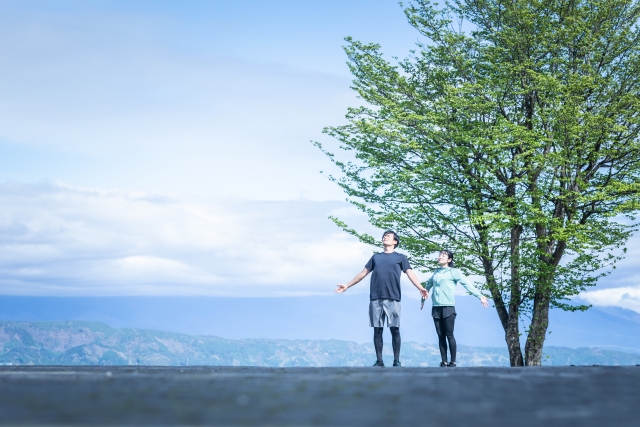
These include Oriental medical methods such as qigong, yoga, aromatherapy, massage, acupuncture and moxibustion, mental and physical adjustment methods such as breathing and autonomous training methods, and regular lifestyle.
Among them, “biofeedback” is an attempt to “visualize” and connect the workings of the autonomic nervous system, which is originally automatically regulated and not consciously aware, to consciousness. Biofeedback is an attempt to “visualize” the function of the autonomic nervous system, which is not consciously aware of its own automatic regulation, and to connect it with consciousness in an attempt to self-regulate the autonomic nervous system.
Regulate your circadian rhythm = get some morning sun, be active during the day and rest at night. This has the effect of regulating the rhythm of the autonomic nervous system and the correct balance of hormones such as melatonin, which is linked to insomnia.
Breathing is also key to the various methods described above, and deep, slow breathing has the effect of rhythmically stimulating and activating the sympathetic and parasympathetic nervous systems.
It is important to restore the original function and balance of the autonomic nervous system in a way that suits you.
Modern Social Life and the Autonomic Nervous System
The autonomic nervous system, which is supposed to maintain proper physical and mental health, is thought to be the cause of various pathological conditions.
Originally, it was assumed that during the day, the sympathetic nervous system would activate the body to “fight or flight,” and at night the body would relax and prepare for the next day’s activities. However, today’s day-and-night lifestyle has exceeded such assumptions. Lights and displays are on until late at night, the boundary between on and off is lost, and both the sympathetic and parasympathetic nerves are activated in complex ways, making it difficult for the body and mind to properly regulate themselves.
This is one of the reasons why people are refreshed by being in an environment close to nature.
(Kanbara K, LABs Psychosomatic Medicine, https://bodythinking.net/en/column/ans/, Aug 2021